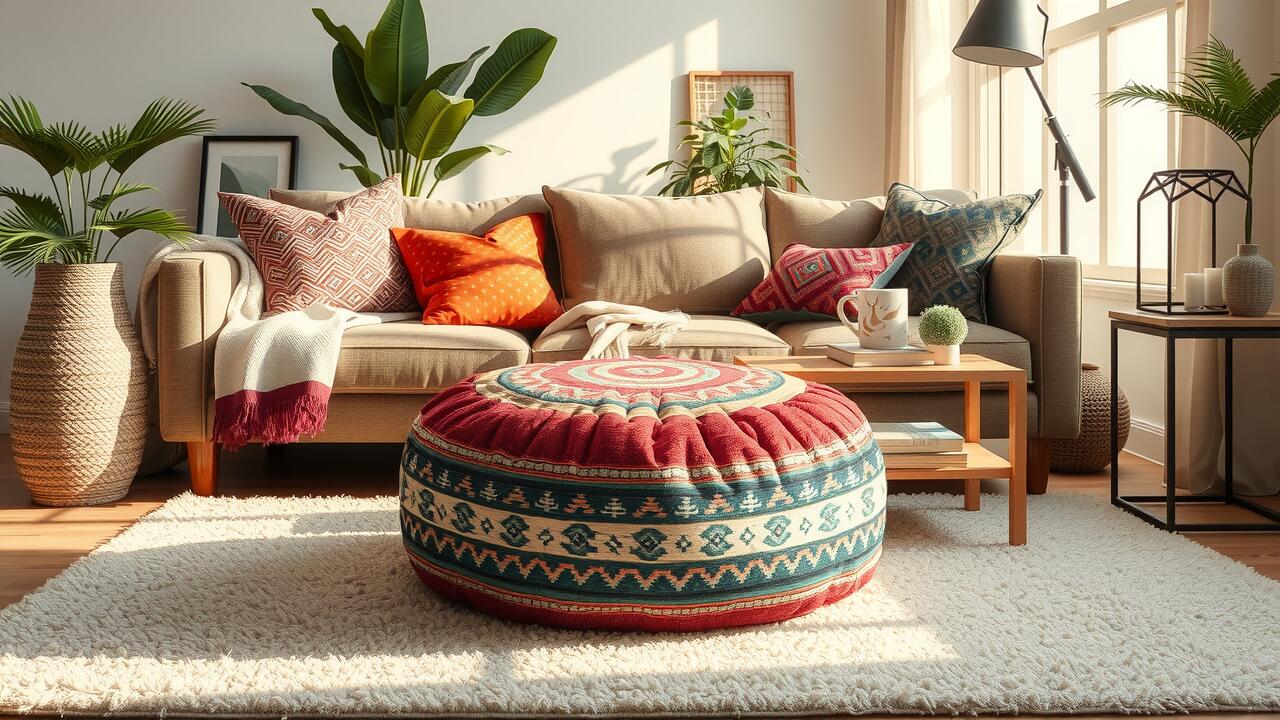
Table Of Contents
Craftsmanship and Quality
When selecting a Kilim pouf, the craftsmanship and quality play a pivotal role in determining its overall appeal and durability. Authentic handwoven pieces often exhibit intricate designs and unique patterns, showcasing the artisan's skill and dedication. The use of high-quality, natural fibers such as wool enhances the texture and durability of the pouf, ensuring it withstands daily use while retaining its charm for years.
In contrast, machine-made alternatives may lack the same level of detail and uniqueness. While they can be more affordable, these options typically prioritize mass production over artistry. A closer inspection reveals subtle differences in weave tightness, color richness, and workmanship. Understanding these elements helps buyers make informed choices that reflect both their aesthetic preferences and practical needs.
Click here for additional info.
Identifying High-Quality Handwoven vs. Machine-Made
When assessing whether a Kilim pouf is handwoven or machine-made, examine the fabric's texture and finish. Handwoven poufs tend to have an uneven, artisanal quality that showcases the skill of the weaver. The imperfections in patterns and color variations indicate the handmade nature of the piece. In contrast, machine-made poufs often feature uniformity and a flawless finish that can lack the depth of character found in handwoven items.
Additionally, check the construction technique used in creating the pouf. Handwoven products typically involve intricate knotting or weaving techniques, which can be discovered by looking at the edges and underside. You may find details such as exposed stitches or unique weaves that highlight the craftsmanship. Machine-made alternatives generally present a more polished appearance but lack the same storytelling quality inherent in handmade pieces. Understanding these distinctions can greatly influence your decision-making process when selecting the right pouf for your space.
Care and Maintenance
Regular care ensures your Kilim pouf remains vibrant and retains its shape. Start by using a soft brush or a vacuum cleaner on a low setting to remove dust and debris. Address spills immediately by blotting with a clean, dry cloth. Avoid rubbing, as this can damage the fibers. For deeper cleaning, consider contacting a professional who specializes in textiles, especially if the pouf is handmade.
Sunlight can fade colors over time, so position your pouf away from direct sunlight. Rotating it occasionally helps prevent uneven wear. To keep its structure intact, avoid placing heavy items on top for extended periods. Foam or stuffing may compress, altering its appearance. With proper maintenance, your Kilim pouf can serve as a stylish and functional piece in your home for many years.
Tips for Cleaning and Preserving Your Kilim Pouf
Regular maintenance is essential to keep your Kilim pouf looking its best. Begin by placing it in an area with low foot traffic to minimize wear and tear. When it comes to cleaning, opt for vacuuming to remove dust and debris. Use a brush attachment to avoid damaging the fabric. If a stain occurs, address it immediately with a mild soap solution. Test the cleaner on a hidden area to ensure it doesn’t affect the colors.
To preserve its vibrant patterns and quality, consider rotating the pouf occasionally. This practice helps prevent uneven fading from sunlight exposure. For deeper cleaning, take your pouf to a professional cleaner who specializes in textile care. Storing the pouf in a cool, dry place when not in use also plays a vital role in maintaining its longevity. Avoid moisture and humidity to prevent mold and mildew growth.
Price Range Considerations
The price of a kilim pouf can vary widely based on several factors, including the materials used, the intricacy of the design, and the method of production. Handwoven pieces generally command higher prices due to the time and skill involved in their creation. Synthetic materials or machine-made poufs tend to be more affordable, making them accessible for those on a tighter budget. However, investing in a high-quality handmade pouf can often result in a piece that lasts longer and maintains its aesthetic appeal.
When considering your budget, it's essential to assess the long-term value of the pouf. While a lower-priced option may seem appealing initially, cheaper products may wear down quickly or lack the unique qualities of handcrafted items. Take into account the pouf's intended use, whether as an accent piece or for daily functional seating. Understanding the balance between quality and price will help you make an informed choice that aligns with your lifestyle and décor preferences.
Understanding What Affects Kilim Pouf Pricing
The pricing of Kilim poufs can vary significantly based on several factors. The materials used play a crucial role; natural fibers like wool or cotton generally lead to a higher price compared to synthetic alternatives. Additionally, the intricacy of the design and the time invested in creating each piece directly impact its cost. Handwoven items typically command a premium due to the craftsmanship and skill required.
Another essential factor influencing price is the origin of the pouf. Traditional pieces sourced from regions with a rich history of textile production often carry a higher value due to their cultural significance and unique designs. Furthermore, the size and overall condition of a pouf can also affect its market price. Larger poufs or those in pristine condition may be more expensive, given their versatile functionality and visual appeal in various settings.
FAQS
What is a kilim pouf?
A kilim pouf is a decorative and functional piece of furniture, often used as an ottoman or additional seating, made from traditional kilim fabric which is handwoven and flat-woven, typically showcasing vibrant patterns and colors.
How can I determine the quality of a kilim pouf?
To assess the quality of a kilim pouf, check for craftsmanship details such as tight weaving, durable stitching, and the absence of loose threads. Handwoven poufs often have irregularities that signify authenticity, while machine-made ones typically have uniform patterns.
What are the best materials for kilim poufs?
The best kilim poufs are made from natural fibers like wool or cotton, as these materials are durable, breathable, and comfortable. They also tend to showcase vibrant colors and intricate patterns better than synthetic alternatives.
How should I clean and maintain my kilim pouf?
To clean a kilim pouf, regularly vacuum it using a brush attachment to remove dust and debris. For stains, use a mild soap solution and a soft cloth, avoiding harsh chemicals. It's also advisable to rotate the pouf periodically to ensure even wear.
What factors influence the price of a kilim pouf?
The price of a kilim pouf can be influenced by various factors, including the quality of materials used, the intricacy of the design, whether it is handwoven or machine-made, and the brand or artisan behind it.