Table Of Contents
Color Schemes in Kilim Design
Kilim designs showcase a vibrant palette that reflects cultural heritage and artistic traditions. Traditional colors are derived from natural sources, including plant dyes and minerals, resulting in rich hues that have a timeless quality. Bold reds, deep blues, and warm earth tones commonly dominate these textiles, often contrasted with lighter shades to create visual intrigue. Each color holds significance, often representing various aspects of life, nature, and spirituality, imbuing the pieces with deeper meaning beyond their aesthetic appeal.
Contemporary interpretations of kilim have expanded the range of color schemes used in design. Bright, unexpected colors like teal, mustard, and even metallic tones find their way into modern kilims, making them versatile for various decor styles. This adaptability allows kilims to complement contemporary spaces while retaining their unique character. The interplay of patterns and colors facilitates a fusion of traditional craftsmanship with modern aesthetics, appealing to a broader audience and enhancing the versatility of kilim textiles in today’s homes.
This new blog post covers this topic in more detail.
Traditional Color Palettes
Kilim designs exhibit a rich tapestry of color, deeply rooted in the cultures of their origin. Commonly, traditional kilims showcase vibrant hues obtained from natural dyes, which reflect the landscapes and cultural narratives of the weavers. Warm colors such as reds, deep blues, and sunlit yellows dominate many patterns, allowing the fabric to resonate with warmth and vitality. These shades are often contrasted with cooler tones like greens and browns, creating a balanced palette that draws the eye and tells a story.
Patterns are typically composed of geometric shapes and motifs, where each color holds significance. For example, the use of red may symbolize strength, while blues often evoke tranquility. These color choices are not only aesthetic but also convey the identity and heritage of the communities that produce them. As each kilim tells a unique story through color and design, the interplay of these traditional palettes continues to captivate collectors and enthusiasts alike.
Kilim in Modern Decor
Incorporating kilim rugs into modern decor adds a distinctive character to contemporary spaces. Their vibrant patterns and rich heritage can enhance minimalistic designs or eclectic interiors alike, offering an interesting contrast to sleek furniture and streamlined aesthetics. Unique color combinations and geometric motifs draw the eye, creating focal points that encapsulate warmth and personality.
Designers often emphasize the versatility of kilim pieces, allowing them to adapt to various styles from bohemian to industrial. Whether placed under a coffee table or as wall hangings, these textiles bring a tactile element that softens hard surfaces. As a result, kilim not only complements but also elevates modern spaces, enriching the overall ambiance with textural layers and cultural significance.
Integrating Kilim into Contemporary Spaces
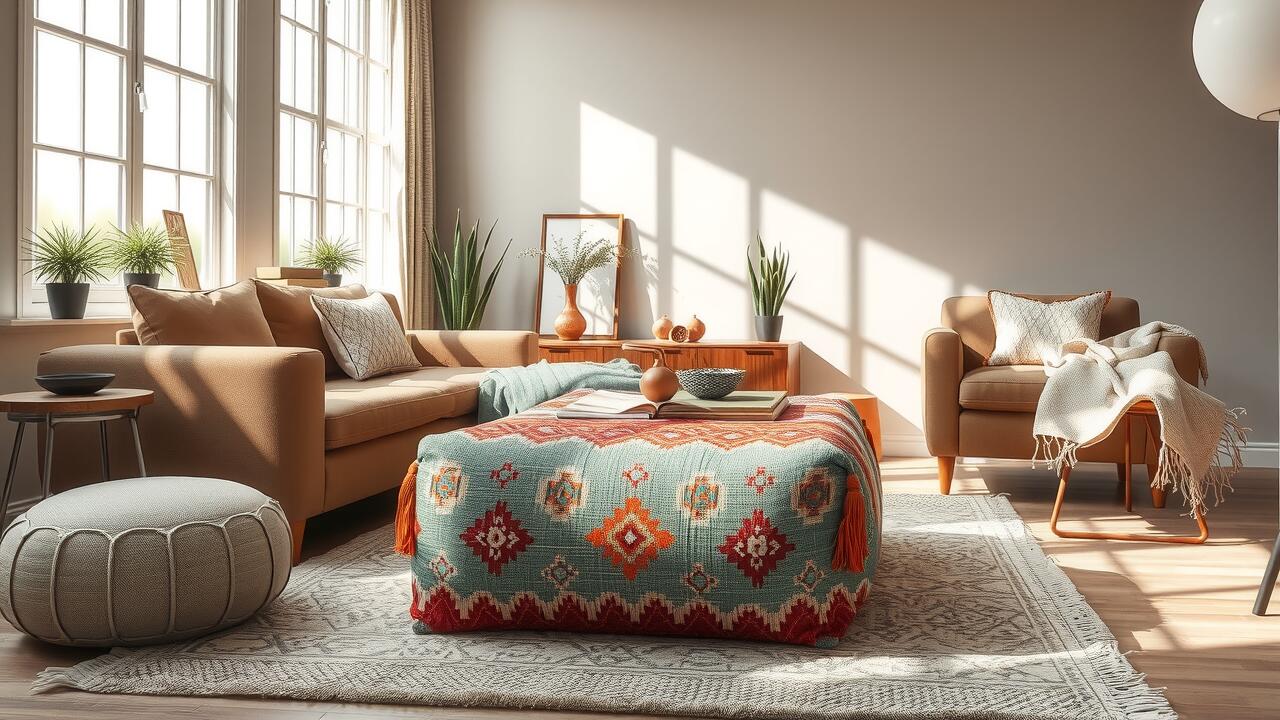
Bringing kilim into modern interiors can enhance the overall aesthetic while preserving its rich heritage. Its geometric patterns and vibrant colors provide a striking contrast to minimalist design elements commonly found today. Using kilim rugs or textiles as statement pieces can create focal points within spaces that embrace clean lines and neutral palettes. Integrating these traditional textiles can evoke warmth and a sense of history, enriching the contemporary setting.
Incorporating kilim through accessories like cushions, wall hangings, or throws allows for versatility without overwhelming the space. These smaller items can easily be mixed and matched with various decor styles, making them suitable for both casual and sophisticated environments. Combining kilim with contemporary furniture or industrial elements can lead to a balanced yet eclectic look. This fusion encourages creativity while respecting the craftsmanship that kilim represents.
Maintenance and Care of Kilim
Caring for kilim requires attention to detail to preserve its beauty and longevity. Regular vacuuming helps remove dirt and dust, preventing buildup that can dull the colors. For deeper cleaning, using a well-wrung cloth with mild soap is recommended. Avoid soaking the rug, as excess moisture can lead to mold and damage. It is also advisable to rotate the kilim periodically to ensure even wear, especially in high-traffic areas.
Preservation can be enhanced by keeping the kilim away from direct sunlight, which can fade its vibrant colors over time. Maintaining a consistent humidity level in the room helps prevent fibers from becoming too dry or damp, which can compromise the rug's structure. Should stains occur, addressing them promptly with suitable cleaners will minimize permanent marks. Using a professional cleaning service every few years can also ensure a thorough and safe cleansing.
Cleaning and Preservation Tips
Kilim rugs require regular maintenance to preserve their vibrant colors and intricate patterns. Vacuuming weekly helps remove dust and dirt that can accumulate over time. Make sure to use a vacuum cleaner with a suction feature rather than a beater bar, which can damage the fibers. For deeper cleaning, professional cleaning is recommended every few years, especially for antique or delicate pieces.
Preventing exposure to direct sunlight can help maintain the color integrity of your kilim. Rotating the rug every few months ensures even wear from foot traffic. When spills occur, blot the area gently with a clean cloth rather than rubbing, as this can spread stains. Keeping kilims away from high-humidity areas will help prevent mold and mildew growth, contributing to their longevity and overall appearance.
FAQS
What is a kilim?
A kilim is a flat-woven textile that traditionally originates from the Middle East and Central Asia, known for its vibrant colors and intricate patterns. It is often used as a rug, wall hanging, or decorative piece.
What are the traditional color palettes used in kilim design?
Traditional kilim color palettes typically feature bold, vibrant colors such as reds, blues, greens, and yellows, often derived from natural dyes. These colors are arranged in geometric patterns and motifs reflective of cultural heritage.
How can I incorporate kilim into modern decor?
Kilim can be integrated into contemporary spaces by using it as a statement rug, adding kilim cushions, or incorporating kilim wall hangings. Mixing kilim with modern furniture can create an eclectic and visually appealing atmosphere.
How do I maintain and care for my kilim?
To maintain and care for a kilim, vacuum it regularly to remove dust and dirt, and avoid exposing it to direct sunlight to prevent fading. It's also advisable to rotate the rug occasionally to ensure even wear.
What are some cleaning tips for kilim rugs?
For cleaning kilim rugs, use a soft brush or a vacuum with a brush attachment to gently remove debris. For stains, blot the area with a damp cloth and a mild soap solution, then air dry. Professional cleaning is recommended for deep stains or thorough cleaning.