Table Of Contents
Eco-Friendly Kilim Poufs
Kilim poufs are increasingly celebrated for their eco-friendly attributes. Crafted from natural materials such as wool and cotton, these pieces reflect a commitment to sustainability. Many artisans prioritize traditional weaving techniques, minimizing the carbon footprint associated with modern manufacturing. By choosing kilim poufs, homeowners not only add a unique decorative element to their spaces but also support eco-conscious practices within the textile industry.
The use of vegetable dyes further enhances the environmental benefits of these poufs. These dyes are non-toxic and biodegradable, promoting a healthier indoor atmosphere. When customers invest in kilim poufs, they also contribute to the preservation of cultural heritage, as many of these items are made by skilled artisans using age-old methods passed down through generations. This fusion of functionality and sustainability makes kilim poufs an appealing choice for eco-minded consumers.
View this external resource for great tips and advice.
Sustainable Materials and Practices
Many kilim poufs are crafted from natural fibers like wool and cotton. These materials not only provide durability but also ensure comfort. The dyes used are often organic, minimizing the environmental impact. Choosing poufs made with such materials contributes to an eco-friendly lifestyle.
Artisans frequently employ traditional weaving techniques that require minimal machinery. This practice supports local economies and helps preserve cultural heritage. By selecting kilim poufs made with sustainable methods, consumers can enjoy unique pieces while promoting responsible craftsmanship. These choices reflect a growing awareness of the importance of eco-conscious living.
How to Style Kilim Poufs in Your Space
Kilim poufs can serve versatile purposes in various areas of your home, adding both style and functionality. Placing a pouf in the living room can create additional seating options or act as a footrest. Use them as side tables to hold drinks or books. In children's playrooms, bright and patterned kilim poufs provide a soft surface for sitting and can easily be moved around, offering flexibility for playtime arrangements.
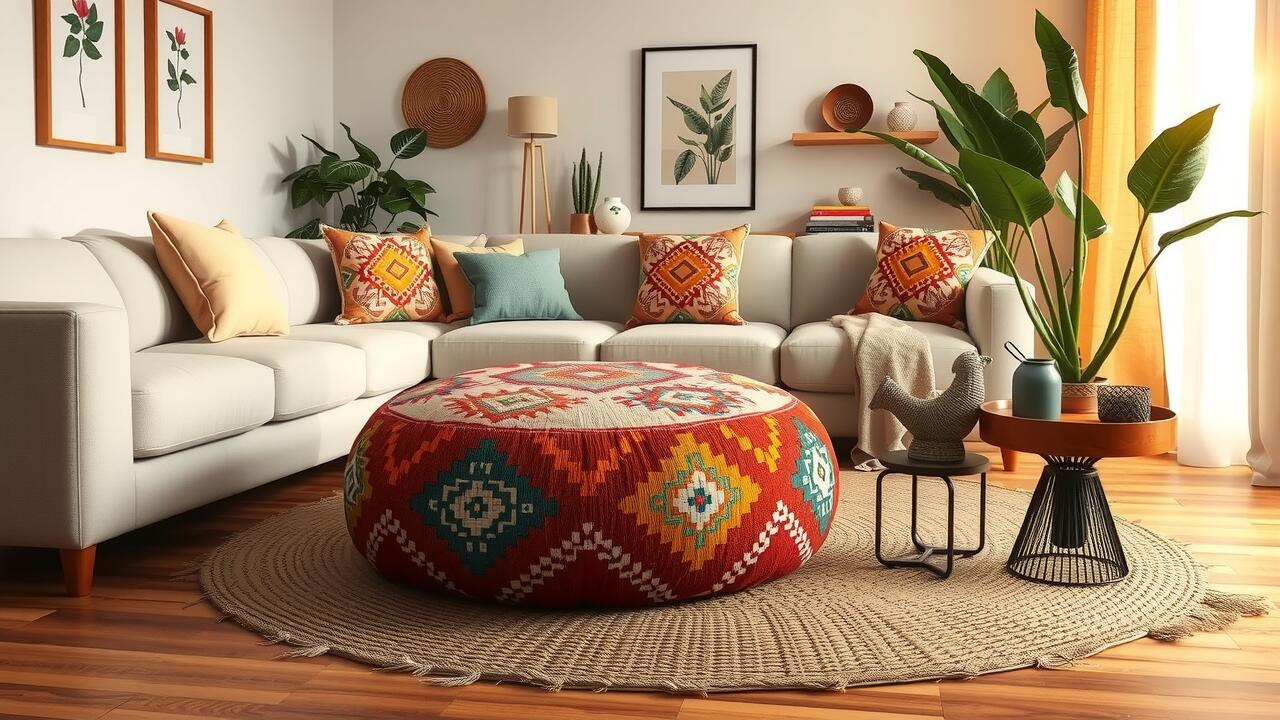
When it comes to styling, consider pairing kilim poufs with both modern and traditional furnishings. Their unique patterns and colors can complement neutral décor or stand out in a vibrant setting. Grouping several poufs together can create an inviting conversation area while also maximizing comfort. Mixing different textures and heights enhances visual interest and makes your space feel more dynamic.
Creative Arrangements and Uses
Kilim poufs are versatile pieces that can enhance various arrangements in your living space. Their colorful patterns and textures complement both modern and traditional decors. Positioning a few poufs around a coffee table creates a cozy conversation area. They also serve as casual seating when entertaining guests or can act as footrests while lounging.
In bedrooms, kilim poufs can be placed at the foot of the bed for added style and functionality. They work well in children's play areas, providing soft seating that’s easy to move around. Consider grouping different sizes and colors for a playful look. With their lightweight design, you can easily experiment with different arrangements until you find the perfect fit for your home.
Care and Maintenance of Kilim Poufs
Kilim poufs can add beauty and warmth to any room, but proper care is essential for maintaining their appearance. Regular vacuuming is a good practice to remove dust and dirt. It’s important to use an upholstery attachment instead of a beater bar to avoid damaging the fibers. For stains, a gentle blotting technique with a damp cloth works best. Chemicals can strip the color from kilim fabric, so using mild soap or a natural cleaning solution is advisable.
Storage and protection are vital for preserving the poufs over time. When not in use, placing them in a cool, dry area helps avoid moisture damage. Avoid direct sunlight to prevent fading. If pets are part of the household, consider using a protective cover to minimize wear and tear. Professional cleaning every few years can help keep the poufs looking fresh while ensuring that deep-set dirt and odors are removed effectively.
Cleaning Tips for Longevity
To keep your kilim poufs looking their best, regular cleaning is essential. Start by vacuuming the surface to remove dust and dirt. Use a soft brush attachment to avoid damaging the fibers. This simple step can help maintain the vibrant colors and intricate patterns that kilim poufs are known for.
For deeper cleaning, consider spot cleaning with a mild detergent mixed with water. Dampen a clean cloth and gently dab at any stains, avoiding soaking the fabric. It's important to test any cleaning solution on a small, inconspicuous area first. Allow the pouf to air dry completely to prevent mold or mildew from developing. Regular maintenance and careful cleaning will extend the life of these beautiful pieces.
FAQS
What are Kilim poufs and what makes them unique?
Kilim poufs are decorative and functional cushions or ottomans made from traditional handwoven Kilim rugs. They are unique due to their vibrant patterns, eco-friendly materials, and the craftsmanship that reflects cultural heritage.
Are Kilim poufs eco-friendly?
Yes, many Kilim poufs are made from sustainable materials and follow eco-friendly practices, making them a great choice for environmentally conscious consumers.
How can I style Kilim poufs in my home?
You can style Kilim poufs by using them as extra seating, footrests, or decorative accents in various arrangements. They work well in living rooms, bedrooms, and even outdoor spaces, adding a pop of color and texture.
What types of materials are commonly used in Kilim poufs?
Kilim poufs are typically made from wool, cotton, or a combination of both, featuring vibrant dyes derived from natural sources. These materials contribute to their durability and aesthetic appeal.
How do I care for and maintain my Kilim pouf?
To maintain your Kilim pouf, regularly vacuum it to remove dust and debris, spot clean stains with mild soap and water, and avoid direct sunlight to prevent fading.