Table Of Contents
Color Schemes and Design Compatibility
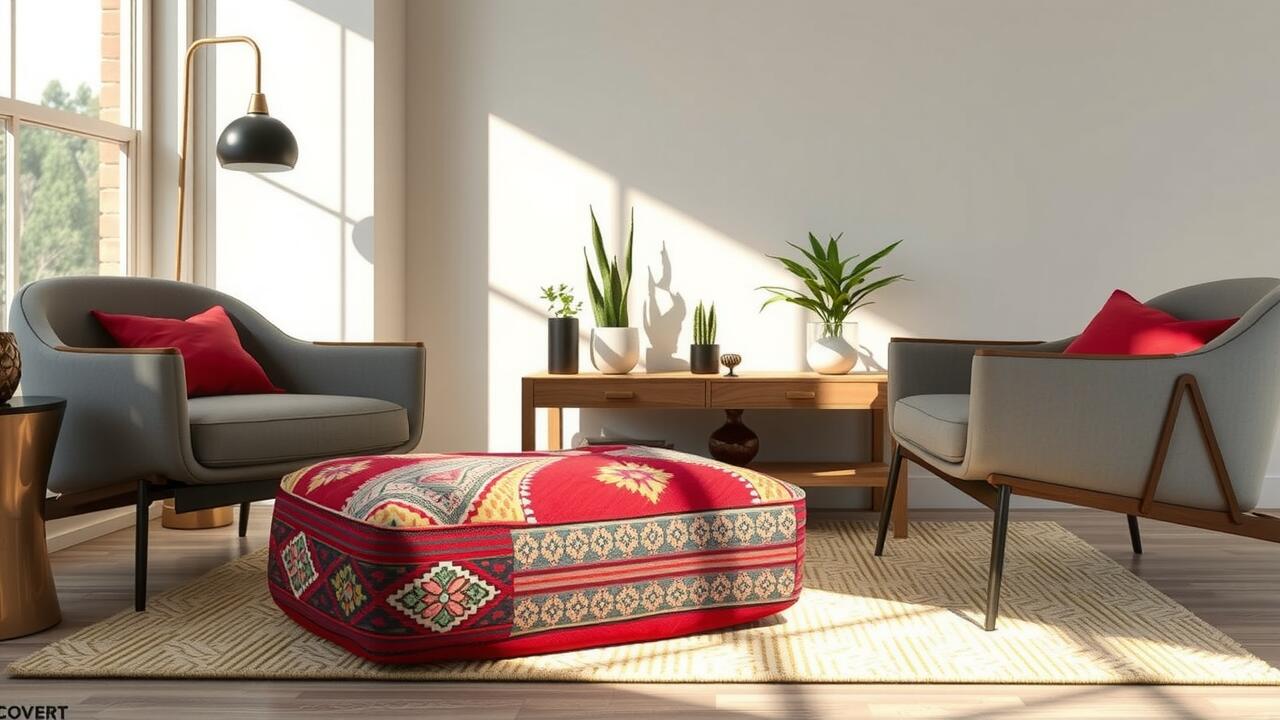
Choosing the right color scheme is essential for harmonizing a space. Handmade kilim poufs often come in vibrant patterns and earthy tones, making them versatile choices that can add warmth and personality to various interiors. Collecting pillows and throws with complementary colors can enhance the overall aesthetic while allowing the pouf to stand as a striking focal point or a subtle textural addition.
Design compatibility is another consideration when selecting a pouf. The geometric designs and traditional motifs of kilims can blend seamlessly with modern, eclectic, or even minimalist styles. This adaptability allows homeowners to use a pouf not just as seating but as an artistic element that enriches the room's character. Pairing a pouf with other artisanal decor items can create a cohesive look that celebrates both craftsmanship and personal style.
Find out further details by clicking here.
Matching Poufs with Existing Decor
Incorporating a kilim pouf into contemporary living spaces can enhance the overall aesthetic. When selecting a pouf, it's essential to consider the existing color palette and design style of the room. Vibrant patterns can serve as focal points, while muted tones gracefully complement more subdued decor. Additionally, choosing a pouf that echoes elements like existing textiles or furniture can create cohesion and harmony within the space.
Texture plays a significant role in integrating poufs seamlessly into your home. A fringed or knotted pouf can add visual interest to a minimalist setting. In contrast, a simpler design might work better in a room filled with ornate decorations. Accessories such as cushions or throws should also align in style and color for a balanced look. Mixing patterns can be successful, provided attention is paid to the color scheme, ensuring that everything feels cohesive rather than chaotic.
Handmade vs. Mass-Produced Poufs
The allure of handcrafted items lies in their uniqueness and the personal touch they bring to a space. Each handmade Kilim pouf showcases the artisan’s skill, reflecting cultural stories and traditional techniques that have been passed down through generations. The imperfections found in these pieces often add to their charm, telling a story that mass-produced versions cannot replicate. Handmade poufs frequently use high-quality materials, ensuring durability and a distinct aesthetic that enhances any contemporary living environment.
In contrast, mass-produced poufs prioritize uniformity and affordability, appealing to a wider market. They often lack the individuality and craftsmanship associated with handmade options. This approach can result in lower quality materials that may not stand the test of time. While they provide an accessible choice for consumers on a budget, mass-produced poufs can feel generic and less meaningful in the context of home decor. The decision between the two often balances personal values regarding sustainability, artistry, and the desire for a unique home atmosphere.
Value of Artisanal Craftsmanship
The uniqueness of handmade kilim poufs lies in the artisanal craftsmanship that goes into their creation. Each piece is often a labor of love, reflecting the skills and traditions passed down through generations. Artisans meticulously select materials, often working with natural dyes and sustainable fibers, which contribute to the poufs' distinct character. This level of care results in products that not only serve practical purposes but also tell a story, making them meaningful additions to any living space.
Investing in handmade poufs supports local economies and preserves traditional craftsmanship. Unlike mass-produced items that prioritize speed and uniformity, artisanal creations celebrate individuality and creative expression. The imperfections found in handmade items often enhance their charm, distinguishing them from factory-made counterparts. Purchasing a kilim pouf crafted by skilled artisans fosters appreciation for the hard work involved and ensures that such craftsmanship continues to thrive in an ever-changing market.
Eco-Friendly Aspects of Kilim Poufs
In recent years, the focus on sustainability has surged, bringing attention to the environmental benefits of choosing handmade kilim poufs. These artisanal pieces are typically crafted from natural materials such as wool and cotton. Many artisans use traditional techniques that minimize waste and energy consumption during production. The use of local resources further reduces the carbon footprint associated with transportation, making these poufs a green choice for eco-conscious consumers.
The dyes used in handmade kilim poufs are often derived from natural sources, which means they are less harmful to the environment compared to synthetic alternatives. This commitment to using sustainable materials extends to the manufacturing processes as well. By supporting handmade products, consumers are not only acquiring unique decorative pieces but are also promoting ethical labor practices and preserving cultural craftsmanship. The longevity of these durable poufs adds to their eco-friendly appeal, as investing in quality reduces the need for frequent replacements.
Sustainable Materials and Practices
Kilim poufs often utilize natural fibers such as wool, cotton, and jute, which are biodegradable and renewable resources. Artisans often source these materials locally, reducing the carbon footprint associated with transportation. The vibrant dyes used in the weaving process frequently come from organic sources, ensuring that the environmental impact remains minimal. This commitment to natural and non-toxic components distinguishes handmade poufs and aligns with environmentally aware design choices.
Many artisans engage in sustainable practices during the creation of kilim poufs. Traditional weaving techniques are commonly employed, using methods that require less energy and produce minimal waste. Moreover, the durability of these poufs means they can last for years, further reducing the need for replacements and excessive consumption. This approach not only supports the environment but also preserves cultural heritage by passing down craftsmanship skills through generations.
FAQS
What are kilim poufs made of?
Kilim poufs are typically made from wool or cotton, using traditional weaving techniques that create vibrant patterns and textures. They are often filled with lightweight materials for comfort and durability.
How do I choose the right kilim pouf for my decor?
When selecting a kilim pouf, consider the color schemes and patterns of your existing decor. Look for a pouf that complements or contrasts with your furniture and accessories to create a cohesive look.
Are handmade kilim poufs worth the investment?
Yes, handmade kilim poufs are often seen as a worthwhile investment due to their unique designs, artisanal craftsmanship, and durability compared to mass-produced alternatives. They also add a touch of character to your living space.
What are the eco-friendly benefits of kilim poufs?
Many kilim poufs are made from sustainable materials and crafted using eco-friendly practices. Choosing these poufs can reduce your carbon footprint and support artisans who prioritize environmental responsibility.
How can I care for my kilim pouf?
To care for your kilim pouf, regularly vacuum it to remove dust and debris. For spills, blot the area gently with a damp cloth. Avoid using harsh chemicals, and follow any specific care instructions provided by the manufacturer.