Table Of Contents
Styling Tips for Kilim Rugs
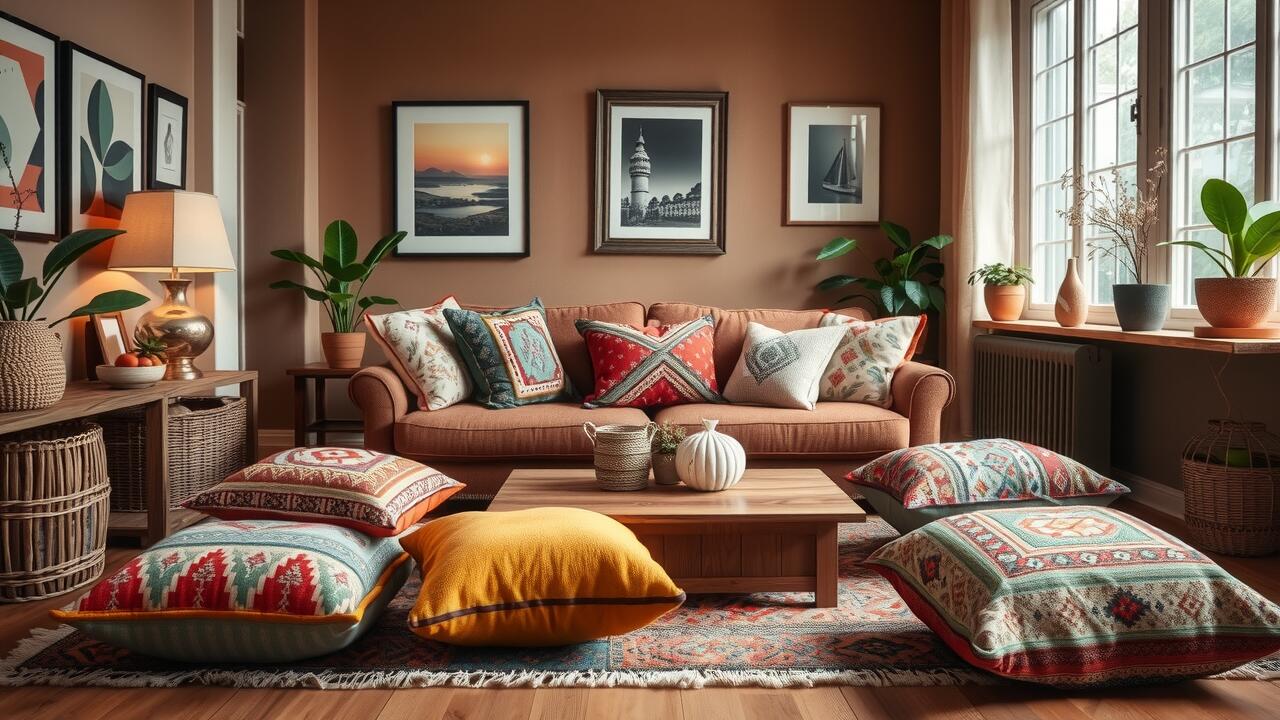
Kilim rugs are versatile pieces that can enhance various styles of decor, from bohemian to contemporary. When incorporating a kilim rug into a living space, consider the color palette of your room. Choosing a rug that features complementary colors can tie the room together while providing a focal point. Mixing patterns can also work well, but it’s essential to maintain a balance. Pairing a kilim rug with solid-colored furniture can help the rug stand out without overwhelming the visual elements in the space.
Layering is another effective styling technique. Placing a kilim rug on top of a larger, neutral area rug can add depth and texture to the room. This method not only showcases the unique patterns of kilim but also allows you to combine different materials and styles. When positioned strategically, kilim rugs can define spaces within an open floor plan, creating separate areas for relaxation, dining, or entertainment, all while adding warmth and character to your home.
Continue to read this blog post for more great tips.
How to effectively arrange furniture around kilim rugs
When arranging furniture around kilim rugs, prioritize creating a cohesive and inviting space. Position larger furniture pieces, like sofas and coffee tables, to ensure they overlap with the edges of the rug. This approach unifies the seating area, making the rug a central visual anchor that ties the room together. Additionally, consider the proportions of the furniture in relation to the kilim; larger, bulkier pieces work well when they maintain proper balance and allow the rug's patterns to be showcased effectively.
Incorporating smaller furniture can enhance the aesthetic appeal of the kilim while providing versatility in the layout. Side tables and accent chairs can be placed strategically on the rug to encourage conversation and interaction. Leaving some space around the edges of the kilim can help highlight its unique patterns and colors, allowing the artistry of the piece to breathe within the arrangement. By blending functionality and style, you can create a harmonious environment that celebrates the beauty of kilim rugs.
Kilim in Outdoor Spaces
Integrating kilim rugs into outdoor spaces can add warmth and personality to patios and balconies. These vibrant textiles, known for their intricate patterns and colors, can soften hard surfaces and create a cozy atmosphere. Selecting weather-resistant kilim options ensures durability against the elements while retaining the aesthetic appeal. A kilim can serve as an inviting focal point for seating areas, encouraging relaxation and social interaction.
In addition to their decorative charm, kilims can also define spaces in open areas, helping to visually separate dining or lounging zones. Placing a kilim underneath an outdoor dining table instantly elevates the dining experience. Using kilims in outdoor settings allows homeowners to express their style while embracing the unique craftsmanship that each piece offers.
Utilizing kilim designs for patios and balconies
Incorporating kilim designs into outdoor spaces can create a unique and inviting atmosphere. Selecting kilim-patterned cushions or throw pillows adds color and texture to patio furniture. Layering kilim rugs on outdoor surfaces helps define seating areas, making them cozier. These rugs can also protect surfaces while introducing traditional patterns that reflect cultural heritage.
Bringing kilim designs to balconies offers an opportunity for creative expression. Using kilim table runners enhances dining areas, while a couple of kilim poufs or ottomans provide additional seating. Hanging kilim tapestries can add depth and visual interest to walls. These elements transform a simple outdoor space into a vibrant extension of the home, allowing for comfortable relaxation and entertainment.
The Cultural Significance of Kilim
Kilim rugs are more than just decorative pieces; they embody a rich cultural heritage that dates back centuries. These textiles are often handmade, with each design telling a story or conveying a specific message. Patterns and colors used in kilims can symbolize various aspects of life, such as fertility, strength, and protection. The meticulous craftsmanship involved in creating these rugs showcases the skill and dedication of artisans who pass down their knowledge through generations.
In many cultures, kilims serve functional purposes alongside their aesthetic appeal. Traditionally, they were used in homes as floor coverings, bedspreads, and even wall hangings. Their significance extends beyond utility, often reflecting the social status and identity of the families who owned them. With the revival of interest in these beautiful textiles, contemporary interpretations of kilim designs continue to honor their historical roots while adapting to modern aesthetics.
Understanding the traditional meanings behind kilim patterns
Kilim patterns are steeped in history and cultural significance, often reflecting the values and beliefs of the communities that create them. Each design element holds its own meaning, from stylized animals representing strength to geometric shapes symbolizing balance and harmony. These motifs are not random; they narrate stories and convey messages about family lineage, societal status, and even natural elements.
The colors used in kilim weaving also carry specific meanings, with vibrant reds signifying passion and energy while deep blues often represent protection and tranquility. Weavers draw from their surroundings, incorporating local flora and fauna into their designs, creating a tapestry that connects the physical world with spiritual beliefs. This intricate language of patterns and colors transforms each kilim into a unique artifact, rich with cultural narratives waiting to be explored.
FAQS
What is a kilim rug?
A kilim rug is a flat-woven textile that is traditionally made using a variety of colorful patterns and designs. Unlike pile rugs, kilims are created using a tapestry technique, making them lightweight and reversible.
How can I style my living room with a kilim rug?
To style your living room with a kilim rug, consider placing it in a central area where it can complement your furniture. Use neutral or earthy tones in your decor to allow the vibrant patterns of the kilim to stand out. Pair it with furniture that has clean lines to balance the intricate designs.
Can kilim rugs be used outdoors?
Yes, kilim rugs can be used outdoors, especially in covered patios or balconies. They add a vibrant touch to outdoor spaces. However, make sure to choose kilims that are made from durable materials suitable for outdoor conditions to ensure longevity.
What should I consider when arranging furniture around a kilim rug?
When arranging furniture around a kilim rug, ensure that at least the front legs of your furniture pieces are on the rug to create a cohesive look. Maintain balance by positioning larger furniture pieces at the edges and using smaller pieces closer to the center of the rug.
What do the patterns on kilim rugs signify?
The patterns on kilim rugs often have cultural and traditional significance, representing various symbols or stories from the weaver's heritage. Each design can convey meanings related to nature, fertility, and community, making them not just decorative items but also pieces of art with deep cultural roots.