Table Of Contents
Considering Maintenance and Care
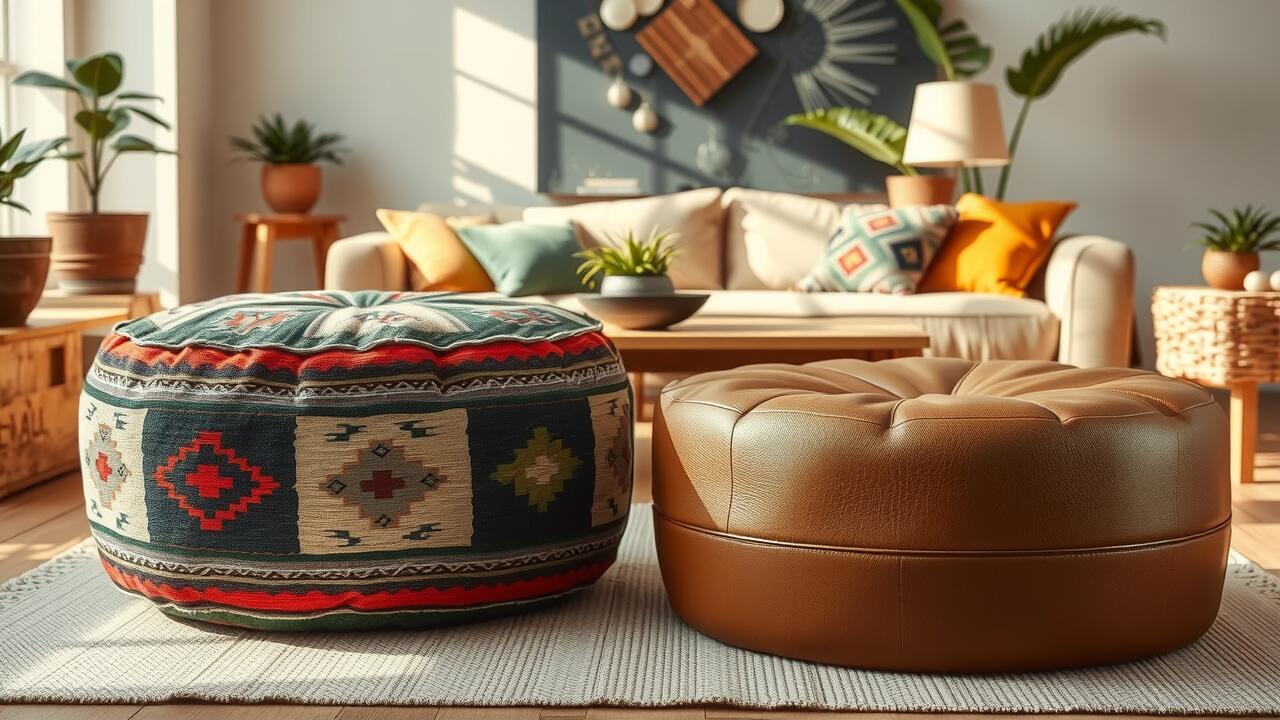
When selecting a pouf, it is essential to consider the maintenance and care required for different materials. Natural fibers like cotton and wool tend to be more susceptible to stains and may require more frequent cleaning than synthetic options. If the pouf will be used in high-traffic areas or around children and pets, choosing a fabric that is durable and easy to clean can save time and effort in the long run.
Different materials come with varying care instructions. Leather, for instance, may simply need occasional conditioning, while velvet could require a more specialized cleaning approach. Understanding the specific cleaning requirements for each material type can help you make an informed decision that aligns with your lifestyle and the pouf's intended use.
Discover more here.
Understanding Cleaning Requirements for Different Materials
Different materials used for poufs require varying levels of care. For natural fabrics like cotton or linen, gentle cleaning methods are often sufficient. Spot cleaning with mild detergents and warm water can help remove stains without damaging the material. However, it is crucial to check the manufacturer's guidelines. Some fabrics may be machine washable, while others might necessitate professional cleaning.
Synthetic materials like polyester and nylon generally offer greater resilience against stains and spills. These poufs can usually be wiped down with a damp cloth and mild soap, making them low-maintenance options for high-traffic areas. In contrast, leather poufs require specialized care to maintain their appearance. Regular conditioning and using appropriate leather cleaners can prolong the life of leather products. Understanding these specific cleaning requirements ensures that the pouf remains in excellent condition over time.
Measuring Available Space
Before selecting a pouf, it's essential to assess the space where it will be placed. Measure the area carefully to ensure the pouf will fit comfortably without overcrowding the room. Consider surrounding furniture and pathways, allowing for adequate movement and accessibility. Visualization techniques, such as marking the dimensions with tape or using painter's tape on the floor, can help in determining the right size and placement.
Keep in mind the intended use of the pouf. A pouf intended for lounging may require a larger size for ample seating, while a decorative pouf can be smaller without compromising aesthetics. Establishing the right balance between size and functionality will enhance both comfort and style in your space. Think about how the pouf will interact with the existing decor to ensure it complements the overall layout.
Tips for Ensuring the Pouf Fits Perfectly
When selecting a pouf, it is essential to consider the dimensions of the space where it will be placed. Measure the area meticulously, noting any fixtures or furniture that may affect the layout. A pouf should complement the existing décor without overwhelming the space. Keep in mind the height of surrounding furniture as well; a pouf that is too tall or too short can disrupt the overall aesthetic and functionality.
Visualizing the pouf in your intended space can provide valuable insight. If feasible, use painter's tape to outline the approximate area it will occupy. This method assists in determining whether the pouf's size allows for comfortable movement and accessibility. Additionally, consider the pouf's intended use. Whether for seating, footrest, or decoration, ensure its size aligns with your needs and enhances the flow within the room.
Exploring Color Options
When selecting a pouf, color plays a pivotal role in achieving the desired ambiance of your space. It is essential to consider the existing color palette in the room. A pouf should either serve as a bold accent piece or complement the predominant hues in your decor. Bright colors can energize a room, while muted tones create a more tranquil environment. Think about how the pouf will interact with other furniture and accessories.
Different styles and themes in interior design may call for varied approaches to color selection. For a contemporary setting, opting for sharp, vibrant colors can make a striking statement. Conversely, a classic or minimalist space may benefit from softer, neutral shades that blend seamlessly into the surroundings. Understanding these dynamics will not only help in choosing the right color but also enhance the overall aesthetic appeal of your home.
Using Color Theory to Enhance Your Space
Color plays a significant role in interior design, influencing mood and atmosphere. When selecting a pouf, consider the existing color palette of your space. A pouf can either serve as a bold statement piece or seamlessly blend into the background, depending on the desired effect. Using complementary colors can create a harmonious look, while contrasting hues can bring an energetic vibe to the room.
Additionally, different colors evoke different emotions. Warm tones like reds and oranges can create a sense of warmth and coziness, making them suitable for intimate spaces. On the other hand, cool colors like blues and greens promote tranquility and are ideal for relaxation areas. Understanding these color dynamics will help you choose a pouf that not only fits your aesthetic but enhances the overall ambiance of your home.
FAQS
What factors should I consider when choosing a pouf?
When choosing a pouf, consider maintenance and care, the available space for placement, and color options that complement your decor.
How do I know if a pouf will fit in my space?
To ensure a pouf fits perfectly, measure the area where you plan to place it and consider the scale of other furniture in the room.
What are the cleaning requirements for different pouf materials?
Cleaning requirements vary by material; for example, fabric poufs may need regular vacuuming and spot cleaning, while leather poufs can often be wiped down with a damp cloth.
How can color theory help me choose a pouf?
Using color theory, you can select a pouf that enhances your space by choosing complementary or contrasting colors to create the desired mood and aesthetic.
Are poufs versatile in their use?
Yes, poufs are versatile and can be used as extra seating, footrests, or decorative accents in any room, making them a flexible addition to your home decor.