Table Of Contents
Poufs as Functional Furniture
Poufs offer versatility that extends beyond mere aesthetics. Their lightweight design makes them easy to move, allowing for flexible arrangements in any space. They can serve as footrests, additional seating, or even as side tables when needed. This adaptability makes them an appealing option for those looking to maximize functionality in their living areas without committing to larger furniture pieces.
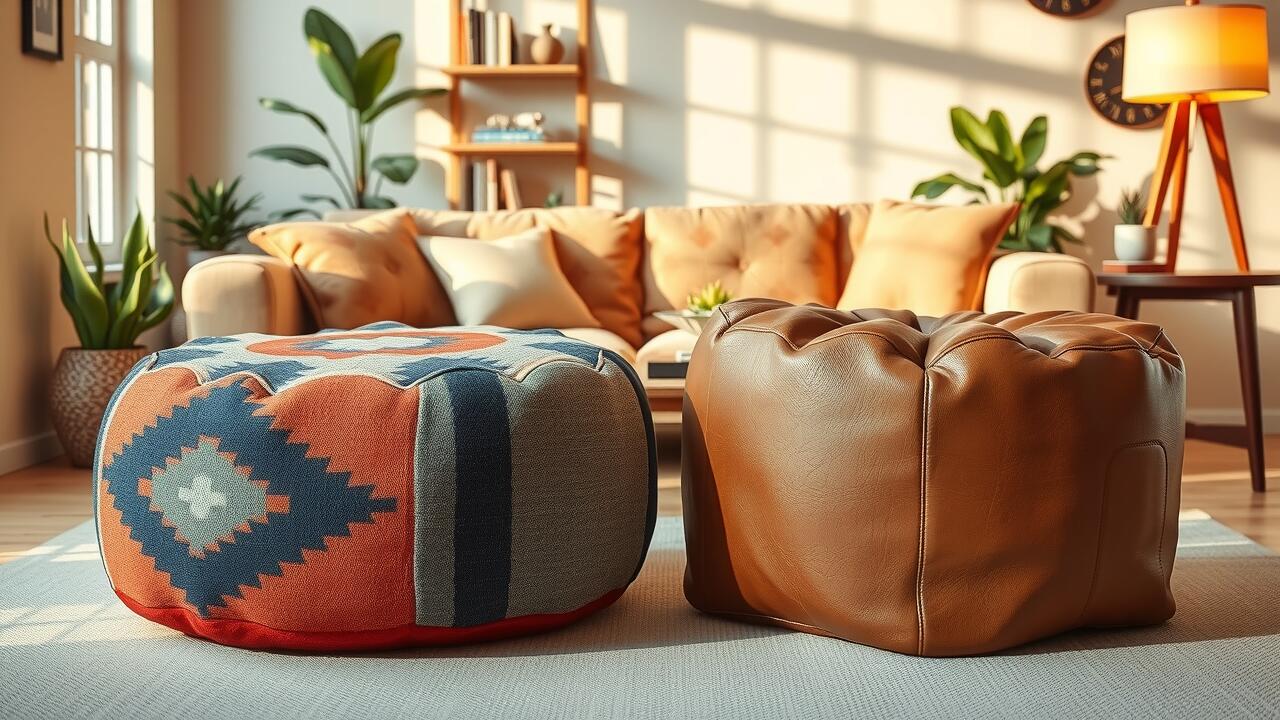
Additionally, poufs come in various shapes, sizes, and styles, ensuring they can fit seamlessly into any decor. From bohemian patterns to sleek leather finishes, there is a pouf to match almost every interior theme. Incorporating poufs into your space can not only enhance its visual appeal but also increase comfort and utility, making them a smart choice for modern living.
This new blog post covers this topic in more detail.
Seating Solutions Beyond the Sofa
Poufs offer a versatile alternative to traditional seating arrangements. They create a relaxed atmosphere while providing informal seating options that are particularly useful in smaller spaces. The lightweight nature of poufs allows for easy rearrangement, making them ideal for entertaining guests or accommodating impromptu gatherings. Beyond their practicality, these stylish accents come in various colors and textures, enhancing the overall aesthetic of a room.
In addition to their role in living rooms, poufs can serve multiple purposes throughout the home. They work well in bedrooms as footrests or as an extra bedside seat. In kids' rooms, poufs add a playful touch while offering a safe and comfortable spot for reading or playing. Their adaptability makes them an attractive choice, appealing to both design enthusiasts and those seeking functional solutions for everyday living.
DIY Poufs
Creating your own pouf can be a rewarding project that allows for personalization in design and functionality. Start by selecting a style that complements your existing decor. Basic sewing skills can be helpful, but even beginners can create a stylish pouf using simple techniques. Materials can include fabric remnants, old blankets, or even canvas, with options available to fit any aesthetic. Additionally, you can fill the pouf with materials such as polystyrene beads or fabric scraps to achieve your desired firmness and comfort.
A DIY pouf not only serves as an attractive piece of furniture but also adds a unique touch to your home. Consider experimenting with various shapes and sizes to see what works best for your space. Adding embellishments like tassels or fringe can elevate the design further. This project allows for creativity and can be adapted to suit your specific needs, making it a versatile addition while embracing a sustainable approach in furniture design.
Materials and Techniques for Beginners
For beginners looking to create a pouf, selecting the right materials is essential. Fabrics like cotton, canvas, or even outdoor upholstery can provide durability and ease of maintenance. It is advisable to choose a filling material that offers both comfort and structure, with options such as foam, polyester stuffing, or even repurposed materials. Beginners may find pre-cut kits helpful, which often come with all necessary materials and instructions, simplifying the process.
Different techniques can be employed depending on the desired style and complexity of the pouf. Basic sewing skills are typically enough for most projects, with hand or machine stitching options available. Crochet and knitting offer alternative methods for those inclined toward needlework. Additionally, for a no-sew version, adhesive fabric or even glue guns can be used to adhere pieces together, making crafting accessible to all skill levels.
Poufs in Outdoor Settings
In recent years, poufs have transcended their traditional role indoors and found a comfortable spot in outdoor settings. They provide versatility, acting as additional seating or a footrest without the bulk of standard outdoor furniture. Their lightweight nature makes them easy to rearrange, allowing for dynamic seating arrangements during gatherings. Whether arranged around a fire pit or scattered on a patio, poufs can help create an inviting atmosphere for relaxation or entertaining.
Additionally, outdoor poufs come in a range of materials designed to withstand various weather conditions. Water-resistant fabrics and UV-light protection are crucial features for ensuring durability against the elements. Many designs also boast vibrant colors and patterns, enhancing the aesthetic appeal of outdoor spaces. Incorporating poufs into your balcony or garden can add a touch of style while maintaining practicality, making them an appealing option for those looking to elevate their outdoor experience.
Enhancing Your Patio or Balcony
Incorporating poufs into outdoor spaces can elevate the aesthetic and functionality of patios and balconies. These versatile pieces can serve as additional seating for gatherings, or as footrests to enhance relaxation while enjoying sunny days. Their lightweight design allows for easy rearrangement, accommodating different social setups or activities.
Choosing weather-resistant fabrics ensures that poufs can withstand the elements while still providing a stylish touch. Vibrant colors and patterns add personality and warmth, making outdoor areas feel inviting. Adding a few poufs around a low table can encourage casual conversations, turning any outdoor gathering into a more dynamic experience.
FAQS
Are poufs still considered stylish in modern interior design?
Yes, poufs continue to be a popular and stylish choice in modern interior design, offering both functionality and aesthetic appeal.
What are the main benefits of incorporating poufs into my living space?
Poufs provide versatile seating options, can serve as footrests or coffee tables, and add texture and color to your decor, enhancing the overall look of your room.
Can I make my own pouf, and what materials do I need?
Absolutely! You can create your own pouf using materials such as fabric, filling (like foam or beads), and basic sewing supplies. There are many DIY tutorials available for beginners.
How can I use poufs in outdoor settings?
Poufs can enhance outdoor spaces like patios or balconies by providing extra seating, serving as decorative accents, and offering a comfortable spot to relax. Look for weather-resistant materials for outdoor use.
Are poufs suitable for small apartments or homes?
Yes, poufs are ideal for small spaces because they are lightweight, can be easily moved, and often serve multiple purposes, making them a practical addition to compact living areas.